
Master the Art of Balanced Meal Planning
Discover our structured framework that helps beginners transform their eating habits into sustainable, healthy routines. Learn how to plan meals that nourish your body, save you time, and fit seamlessly into your life.
The information on this site is for educational purposes only and does not constitute medical advice. Always consult a qualified healthcare professional before making health decisions.
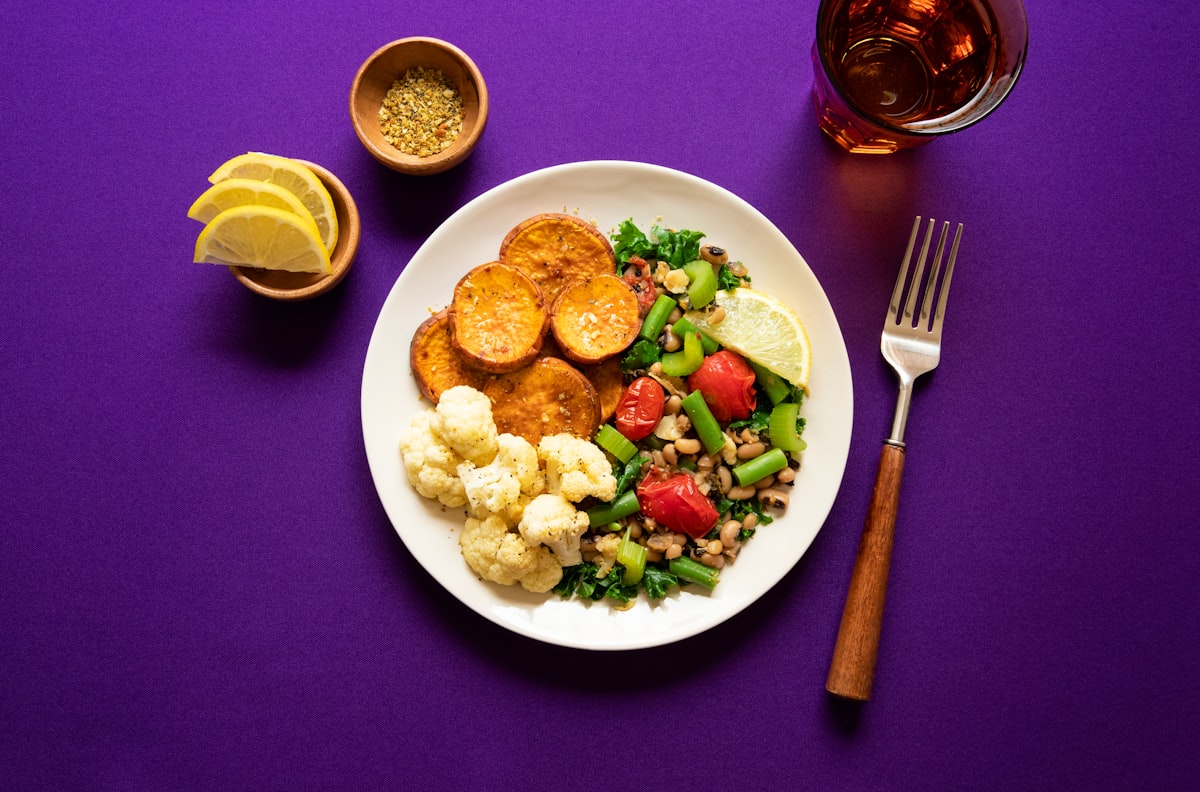
Why Meal Planning Matters for Your Health
Balanced meal planning is the foundation of sustainable eating. When you plan ahead, you avoid impulsive food choices driven by hunger or convenience. Instead, you create intentional, nutritious meals that support your energy levels, mental clarity, and overall wellness.
For beginners, the process might seem overwhelming—navigating portion sizes, food groups, and weekly schedules. That's where a structured approach makes all the difference. By understanding core principles of balanced nutrition, you gain confidence in your kitchen and control over your health.
- Save Time: Plan once, eat well all week with minimal daily decisions.
- Reduce Waste: Buy only what you need, based on your meal plans.
- Build Confidence: Learn to balance macronutrients and create satisfying meals.
- Support Long-Term Goals: Create eating patterns you can sustain.
Core Principles of Balanced Eating
These five foundational concepts guide every meal you plan. Master them and you'll have the tools to make healthy choices for life.
Food Variety
Include a wide range of whole foods from different groups: vegetables, fruits, grains, proteins, and healthy fats. Each food brings unique nutrients. Variety ensures your body gets the full spectrum of vitamins, minerals, and beneficial compounds.
Aim to eat the rainbow—different colored foods provide different antioxidants and phytonutrients your body needs.
Portion Awareness
Balanced portions prevent overeating while ensuring you get enough nutrition. Understanding how much to eat is as important as what you eat. Use simple guides like the plate method: half vegetables, quarter protein, quarter grains.
Listen to hunger and fullness cues. Portions vary based on activity level, age, and individual needs.
Macronutrient Balance
Every meal should include protein, carbohydrates, and healthy fats in balanced amounts. This combination keeps you satisfied longer and maintains stable energy. Proteins build and repair tissue, carbs fuel your brain, fats support hormone production.
A typical balanced plate: 30% protein, 40% complex carbs, 30% healthy fats, plus vegetables.
Hydration & Whole Foods
Prioritize whole, minimally processed foods. Drink enough water throughout the day to support digestion, energy, and cognitive function. Whole foods contain more nutrients and fiber than processed alternatives, helping you feel fuller longer.
Aim for six to eight glasses of water daily, adjust based on activity and climate.
Consistency Over Perfection
Results come from showing up regularly, not from one perfect day. Building sustainable habits means allowing flexibility and enjoying the process. Progress is measured in weeks and months, not single meals or days.
Expect plateaus and minor slip-ups—they're normal. Focus on the bigger picture of your weekly eating patterns.
Mindful Eating
Pay attention when you eat. Sit down, minimize distractions, and chew slowly. This practice improves digestion, helps you recognize fullness, and increases satisfaction with smaller portions. Mindful eating connects you to your body's signals.
Put your phone away, engage your senses, and taste your food fully.
Your 5-Step Meal Planning Framework
Follow this proven process to create balanced meal plans that work for your lifestyle and preferences.
Assess Your Goals and Preferences
Start by identifying what you want from your meals. Do you want more energy? Better digestion? Simpler cooking? Consider your budget, time availability, dietary preferences (vegetarian, vegan, etc.), and any foods you particularly enjoy or dislike. This foundation ensures your plans feel personal, not restrictive.
Write down 5-10 foods you genuinely enjoy eating. These will be your plan anchors.
Choose Your Meals for the Week
Select 3-4 breakfast options, 3-4 lunch ideas, 3-4 dinner recipes, and 2-3 snack choices. You don't need a different meal every day—repetition saves time and shopping. Mix simple meals (sheet pan roasted vegetables with grilled chicken) with slightly more involved ones for variety without overwhelm.
Use existing recipes you know work for you, or explore new ones from trusted sources. Balance familiar favorites with one or two new dishes to experiment.
Build Your Shopping List
Extract ingredients from your chosen meals and organize by grocery section: produce, proteins, grains, dairy, pantry staples. Group by store layout to shop efficiently. Check what you already have at home to avoid duplicates. A well-organized list saves money and prevents impulse buys.
Pro tip: Buy smaller quantities of items you're new to, in case you don't enjoy them. Adjust next week based on what worked.
Prepare and Cook Strategically
Dedicate 1-2 hours on a weekend or quiet evening to prep. Cook grains in bulk, chop vegetables, marinate proteins, and portion snacks. You don't need to cook full meals—just components you can mix and match. This reduces daily cooking time and removes barriers to eating well when you're tired.
Store prepped ingredients in clear containers so you remember what you have. Label with dates to track freshness.
Track, Reflect, and Adjust
At week's end, note what meals you loved, what you didn't finish, and how you felt eating this way. Did you have more energy? Sleep better? Did certain combinations leave you hungry? Use these observations to refine your next week's plan. This feedback loop is how meal planning becomes truly personalized over time.
Keep a simple journal—just a few words per day about meals and how you felt. Over time, patterns emerge.
Real Success Stories from Our Community
See how real people have transformed their relationship with food through balanced meal planning.
I used to skip breakfast and grab whatever was convenient for lunch. My energy crashed by 3 PM every day. Once I started planning balanced meals and prepping ingredients on Sundays, everything changed. I have consistent energy now, I'm sleeping better, and I'm actually enjoying cooking instead of dreading it. The meal planning framework made it simple enough that I stick with it.
Maria K.
Hamburg
As a beginner, I felt completely lost about what to cook and whether I was eating right. The core principles made it finally click for me—I stopped obsessing over being perfect and just focused on variety and balance. Three weeks in, my digestion improved, I stopped getting afternoon hunger crashes, and I'm throwing away way less food because I plan intentionally.
Thomas M.
Berlin
Ready to Master Balanced Meal Planning?
Start learning the principles and techniques that work. Explore our recipes, articles, and resources to build your foundation.
Common Questions About Balanced Meal Planning
Find answers to questions beginners frequently ask when starting their meal planning journey.
How much time does meal planning actually take?
After your first week, most people spend 30-45 minutes planning and 60-90 minutes prepping. As you develop a system and favorite recipes, this time decreases. Many find that the time invested saves them several hours during the week by eliminating daily cooking decisions and shopping trips.
Can I meal plan if I live alone?
Absolutely. Single-person meal planning is actually simpler in some ways—you only need to please yourself. You can freeze portions of recipes, buy smaller quantities, or repeat meals you love. The five-step framework works regardless of household size.
What if I don't know how to cook?
Meal planning and cooking skill develop together. Start with very simple recipes: sheet pan meals, slow cooker dishes, or assembly-based plates (grain + protein + vegetables + sauce). Our recipes section includes beginner-friendly options with clear instructions. You'll be amazed at how quickly confidence builds.
How do I handle cravings while meal planning?
Plan for them. Include foods you genuinely enjoy, even if they're not "super healthy." Build flexibility into your week—maybe 80% of meals are planned, 20% leave room for spontaneity. This prevents the feeling of restriction that derails most plans. Sustainable eating includes the foods you love.
Should I use a specific app or just pen and paper?
Either works. Some people love the organization of apps (shopping lists auto-generate, easy to track), while others find pen and paper simpler and less distracting. Try both for a week each and stick with what feels natural. The system itself matters more than the tool.
What if my family won't eat what I'm planning?
Include them in the planning process. Let family members choose one meal per week or list vegetables they'll actually eat. Cook a base meal (like seasoned rice and protein) and let people customize with toppings. Start with meals you know everyone enjoys, then gradually expand. Balanced eating is easier when everyone's on board.
Begin Your Balanced Eating Journey Today
Access our complete guide to meal planning, explore recipes designed for beginners, and join a community committed to sustainable, balanced nutrition. Learn more about how Wellnessmealprep supports your wellness goals.
Gartenstraße 181, Hamburg
For more information about our editorial mission and content, please visit our about page.