
Опыт поколений: сила и энергия мужчин 45+
Мужчины за сорок пять — это эпоха расцвета. Энергия, мудрость и сила сочетаются в уникальное преимущество. На портале GERARDINE s. r. o. мы исследуем, как естественные подходы к питанию и образу жизни помогают мужчинам этого возраста раскрыть свой полный потенциал.
Откройте статьи об энергии, здоровье и долголетии, написанные экспертами и проверенные практикой. Ваш путь к активной жизни начинается с правильной информации.
Почему мужчины 45+ выбирают нас
GERARDINE s. r. o. — это редакционная платформа, посвящённая естественным подходам к здоровью, энергии и долголетию для мужчин в расцвете лет.
Статьи от экспертов
Материалы, написанные квалифицированными авторами, содержат глубокий анализ питания, упражнений и образа жизни, поддерживающих здоровье и силу в 45+.
Рецепты на здоровье
Практические рецепты и рекомендации по питанию, разработанные с учётом потребностей мужчин в возрасте 45 лет и старше для поддержания энергии и благополучия.
Научный подход
Все рекомендации основаны на научных исследованиях и проверены практикой. Мы разъясняем механизмы, стоящие за каждым советом, чтобы вы принимали информированные решения.
Три направления развития
Наш контент сосредоточен на ключевых аспектах, которые определяют качество жизни мужчин в расцвете сил.
Питание и энергия
Исследуем, какие продукты и режимы питания поддерживают жизненные силы, ясность ума и физическую выносливость после 45 лет.
Подробнее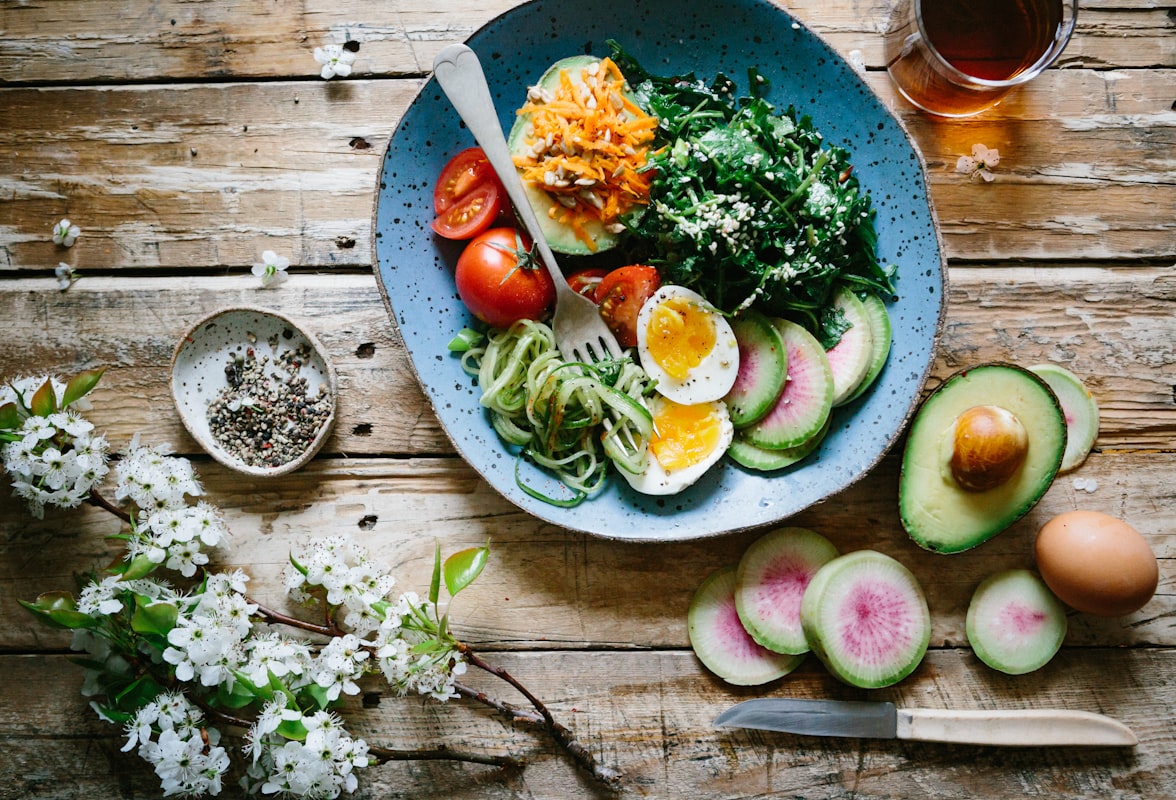
Физическая активность
Практические программы упражнений, адаптированные для мужчин 45+, помогающие сохранять мышцы, гибкость и общую подвижность.
Подробнее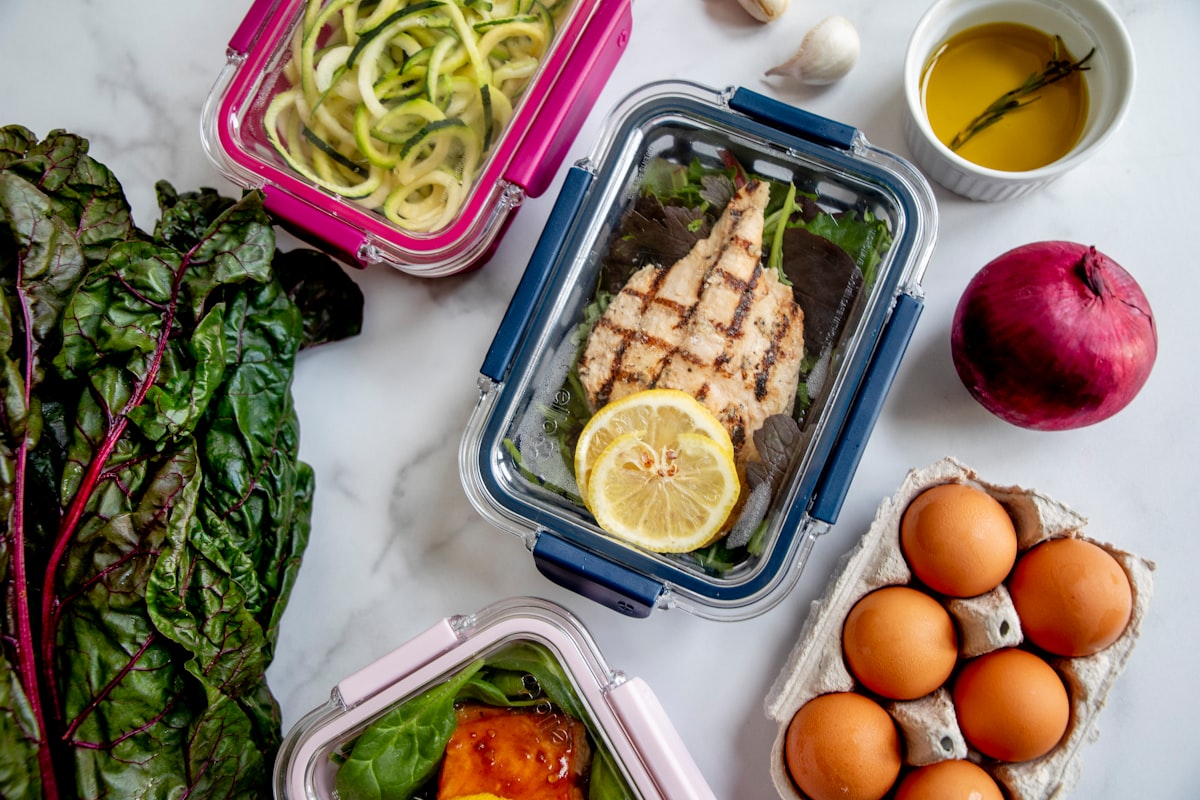
Психическое здоровье
Статьи о стрессоустойчивости, качестве сна, управлении эмоциями и ментальном благополучии в этап жизни полноты и опыта.
ПодробнееКак начать свой путь за пять шагов
Простой и понятный путь к лучшему здоровью и энергии начинается прямо сейчас.
Познакомьтесь с блогом
Посетите раздел статей и найдите контент, который вас интересует. От питания до физической активности — каждая статья написана с учётом потребностей мужчин 45+.
Выберите интересующую тему
Сосредоточьтесь на одной области — будь то питание, упражнения или психическое здоровье. Глубокое изучение одной темы даёт лучшие результаты.
Применяйте рецепты и рекомендации
Используйте предоставленные рецепты в своей кухне и практические советы в повседневной жизни. Малые шаги — большие изменения.
Отслеживайте своё состояние
Вести дневник здоровья помогает заметить позитивные изменения в энергии, качестве сна и общем самочувствии. Это мотивирует и показывает прогресс.
Делитесь опытом и учитесь
Свяжитесь с нами с отзывом или вопросом. Ваш опыт помогает нам улучшать контент и создавать материалы, которые действительно полезны.
Истории трансформации
Читатели GERARDINE s. r. o. делятся своим опытом внедрения здоровых привычек в жизнь.
«Прочитал серию статей о питании после 45 лет и был поражён, как просто и логично всё объясняется. Начал применять рецепты с блога — энергия вернулась, в спортзале чувствую себя увереннее. Это реально помогает.»
Игорь Волков
Мюнхен
«Как человек, который всегда слышал противоречивые советы о здоровье, я ценю то, что на портале всё объясняется через науку. Статьи о сне и стрессе изменили мой подход к жизни. Спасибо за качественный контент.»
Петер Дюссельдорф
Дюссельдорф
«В 47 лет чувствовал себя уставшим. Начал с простых рецептов и упражнений из вашего блога. Три месяца спустя — лучше, чем 5 лет назад. Портал показал мне, что в моем возрасте всё только начинается, если правильно за собой ухаживать.»
Александр Мюллер
Берлин
Ответы на главные вопросы
Часто задаваемые вопросы о контенте и использовании портала.
Портал GERARDINE s. r. o. разработан для мужчин в возрасте 45 лет и старше, которые хотят сохранить и улучшить своё здоровье, энергию и качество жизни через естественные подходы к питанию и образу жизни. Однако контент будет полезен и для женщин, интересующихся здоровьем и долголетием на этом этапе жизни.
Да, рецепты на портале разделены по уровню сложности. Большинство из них просты в приготовлении и используют доступные ингредиенты. Каждый рецепт содержит подробные инструкции, пошаговые указания и информацию о питательной ценности, что делает их доступными даже для тех, кто не имеет опыта на кухне.
Мы регулярно добавляем новые статьи, рецепты и рекомендации. Новый контент появляется несколько раз в неделю, охватывая различные аспекты здоровья, питания и образа жизни. Вы можете следить за обновлениями, посещая раздел последних статей или отправив нам сообщение обратной связи.
Все материалы на портале основаны на научных исследованиях, проверенной практике и опыте экспертов в области питания, здоровья и благополучия. Мы ссылаемся на источники и объясняем механизмы, стоящие за каждым советом, чтобы вы могли принимать информированные решения о своём здоровье.
Конечно! Мы приветствуем вопросы, предложения и отзывы. Вы можете связаться с нашей редакционной командой через форму обратной связи на странице контактов. Ваше мнение помогает нам улучшать контент и создавать материалы, которые действительно полезны для читателей.
Популярные статьи
Избранные материалы, которые помогают тысячам мужчин улучшить своё здоровье и энергию.
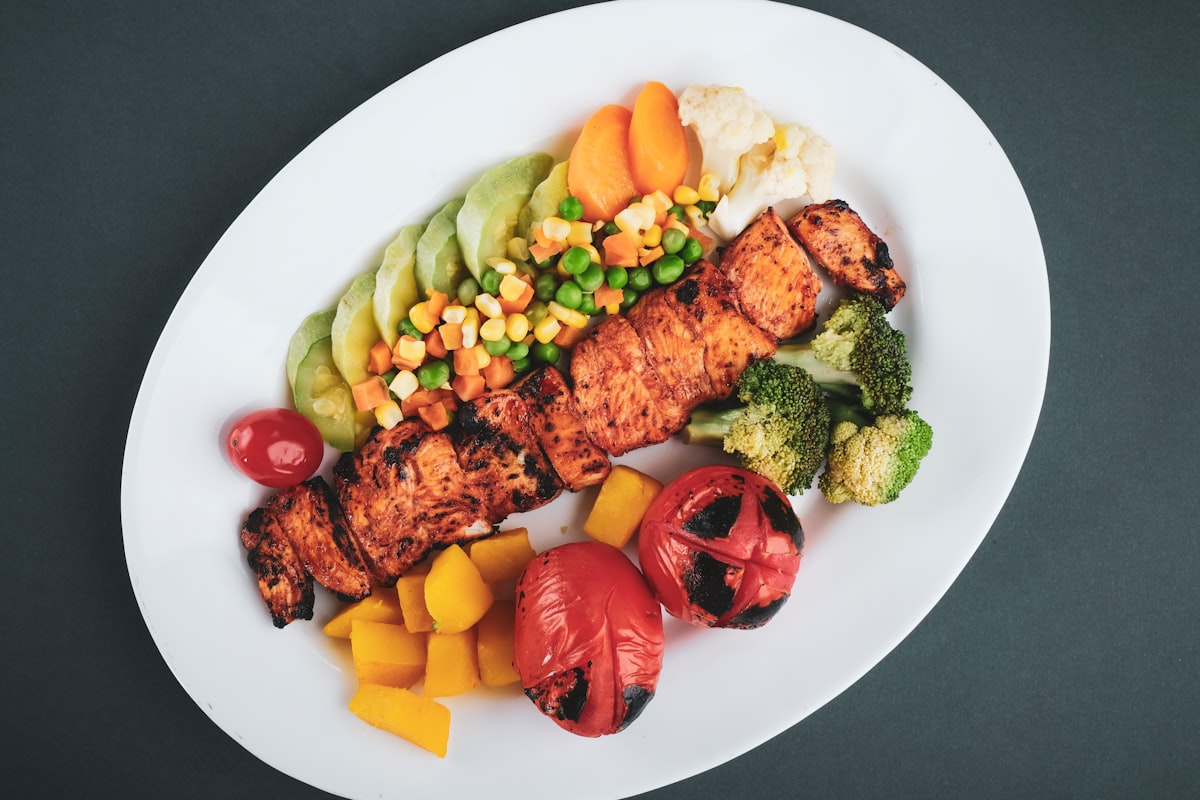
Протеин и мышечная масса после 45 лет
Как правильно питаться, чтобы сохранить мышцы, увеличить энергию и ускорить обмен веществ на этом жизненном этапе.
Читать статью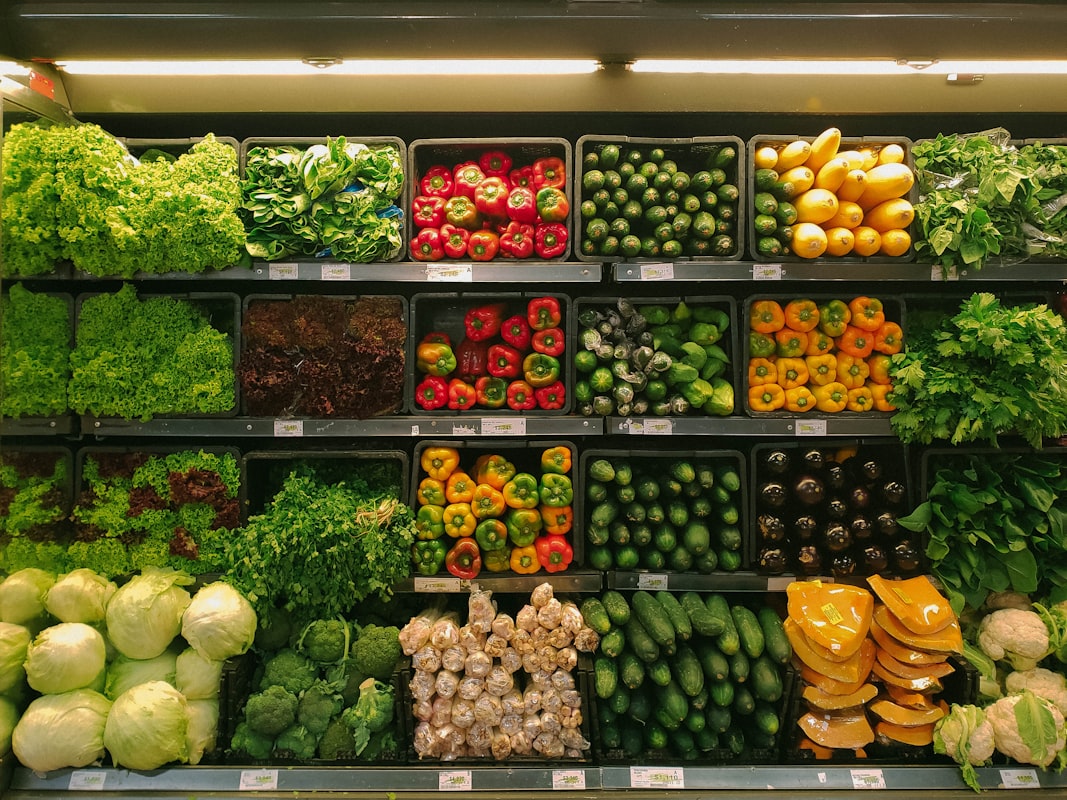
Комплекс упражнений для силы и гибкости
Простая 20-минутная программа, которую можно выполнять дома. Подходит как для опытных, так и для начинающих спортсменов.
Читать статью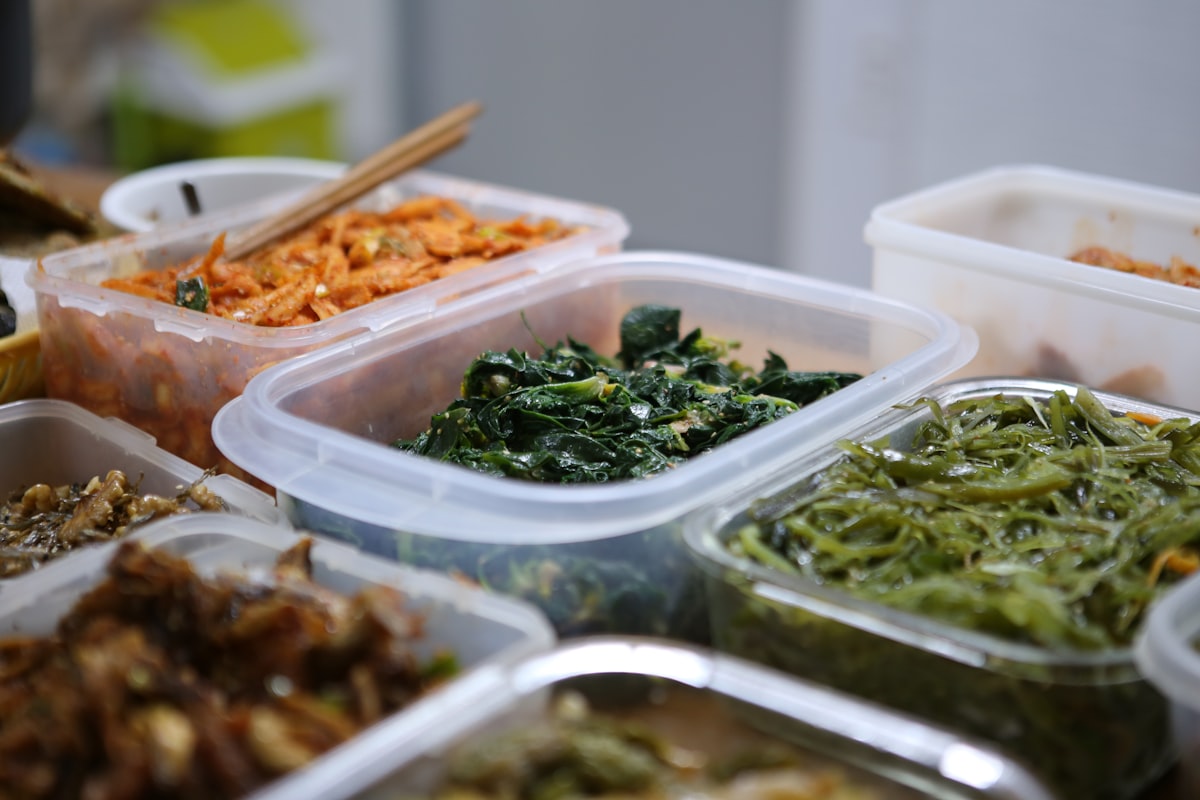
Качество сна и восстановление организма
Научно доказанные способы улучшить сон, ускорить восстановление после нагрузок и повысить дневную энергию.
Читать статьюНе откладывайте жизнь на завтра
Каждый день — это возможность начать новую привычку, которая изменит вашу жизнь. Ваше здоровье, энергия и долголетие начинаются с первого шага. Именно сейчас. Читайте наши статьи, применяйте рецепты и обнаружьте, как мужчина 45+ может быть сильнее, энергичнее и счастливее, чем когда-либо.
Истории Успеха
Василий С., 47 лет
Москва
"Следуя рецептам, я стал чувствовать себя гораздо лучше и энергичнее, что положительно сказалось на моем образе жизни. Это не диета, это образ жизни!"
Игорь П., 52 года
Санкт-Петербург
"Статьи о здоровье мужчины помогли мне понять, что происходит с организмом после 50. Теперь я питаюсь умнее и чувствую себя на 20 лет моложе!"
Сергей К., 45 лет
Екатеринбург
"Простые рецепты из натуральных продуктов — это то, что мне было нужно. Я заметил улучшения в общем самочувствии и качестве сна. Спасибо!"
Часто Задаваемые Вопросы
Начните Свой Путь к Здоровью Прямо Сейчас
Более 10 000 мужчин уже преобразили свое здоровье с помощью наших рецептов и статей. Вы не должны быть в списке тех, кто откладывает. Ваше лучшее "я" ждет.